
A lifetime of learning to understand animals
Understanding your cat starts with understanding their world. You love your cat. But when their behaviour becomes confusing, stressful or difficult to manage, it can be hard to know what to do next.
Perhaps you've searched for answers online, tried different suggestions or wondered whether you're getting something wrong. Maybe you're simply curious about your cat and want to give them the best possible life. Wherever you're starting from, you don't need to have all the answers before asking for help.
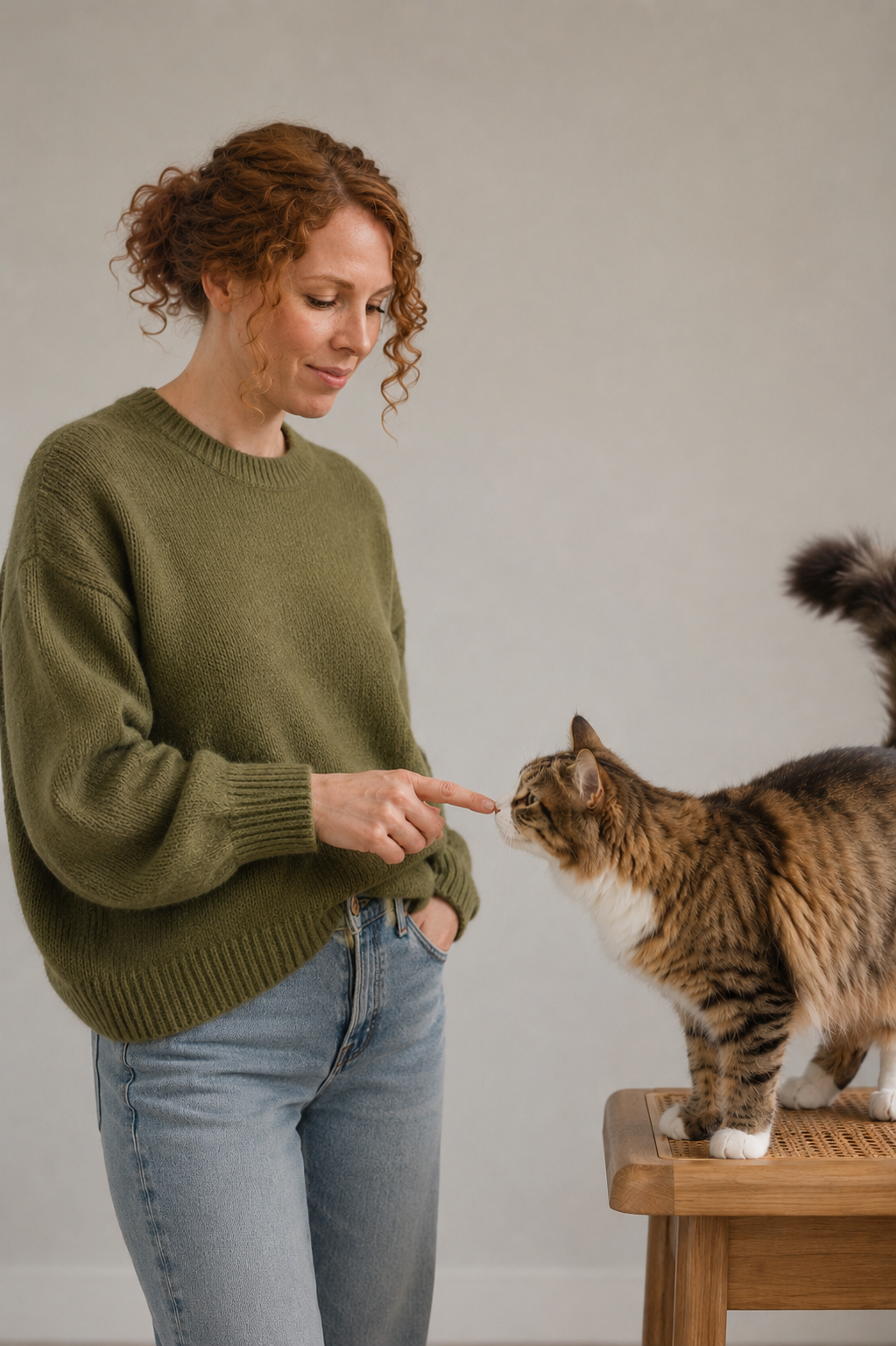
I'm Leigh, the person behind The PAWS Approach. I help cat guardians understand what their cats may be communicating through their behaviour, recognise signs of stress and make practical changes that support a safer, more comfortable life together.
My approach is grounded in current feline behaviour research, positive reinforcement and fear-free principles. It focuses on understanding the cat, considering their environment and finding solutions that work for both the cat and the people who care for them.
No judgement. No punishment. No one-size-fits-all fixes. Just a clearer way forward.
My interest in animals began growing up around dogs and horses on regional NSW hobby farms. I became fascinated by how animals communicate, how they respond to their surroundings and what we can learn when we take the time to observe them.
Cats eventually became my particular focus.
Through volunteering with shelters and rescues, I've had opportunities to work with cats with different temperaments and histories. These experiences have reinforced something important: behaviour makes more sense when we look beyond what an animal is doing and consider what they might be experiencing.
My background in education also shapes the way I work. Understanding something in theory is one thing; knowing how to apply it in everyday life is another. I want you to leave with more than information. I want you to understand what to look for, why a change may help and how to take the next step at a pace that feels manageable.
I hold a Diploma in Cat Behaviour - DipCABT-C and remain committed to developing my knowledge as feline behaviour research evolves.
How I work with you
Empathy
Your love for your cat and your frustration about what's happening can both be real. You can talk honestly about the difficult moments here. My role is to listen, understand the situation and help you find a constructive way forward.
Respect
Every cat and household is different. We work with your cat's needs, preferences and comfort, using choice, patience and positive, fear-free methods rather than punishment or intimidation.
Excellence
Good advice should be informed by current knowledge, thoughtful observation and an honest understanding of its limits. When a behaviour change may have a medical cause, veterinary care matters. Where specialist input is needed, I'll be clear about that.
From understanding to practical change
There isn't just one way to work with The PAWS Approach.
The PAWS Membership is for guardians who want to build their knowledge and skills over time. Short audio and video lessons, practical actions, cooperative care mini-courses and a kind, moderated community help turn learning into everyday habits.
One-to-one consultations are for situations that need a closer look at your individual cat, household and circumstances. Together, we explore the behaviour, consider relevant environmental and routine changes, and develop a tailored written plan. Veterinary liaison can be included when appropriate.
You don't have to know which option is right for you before reaching out.
A little reminder from home
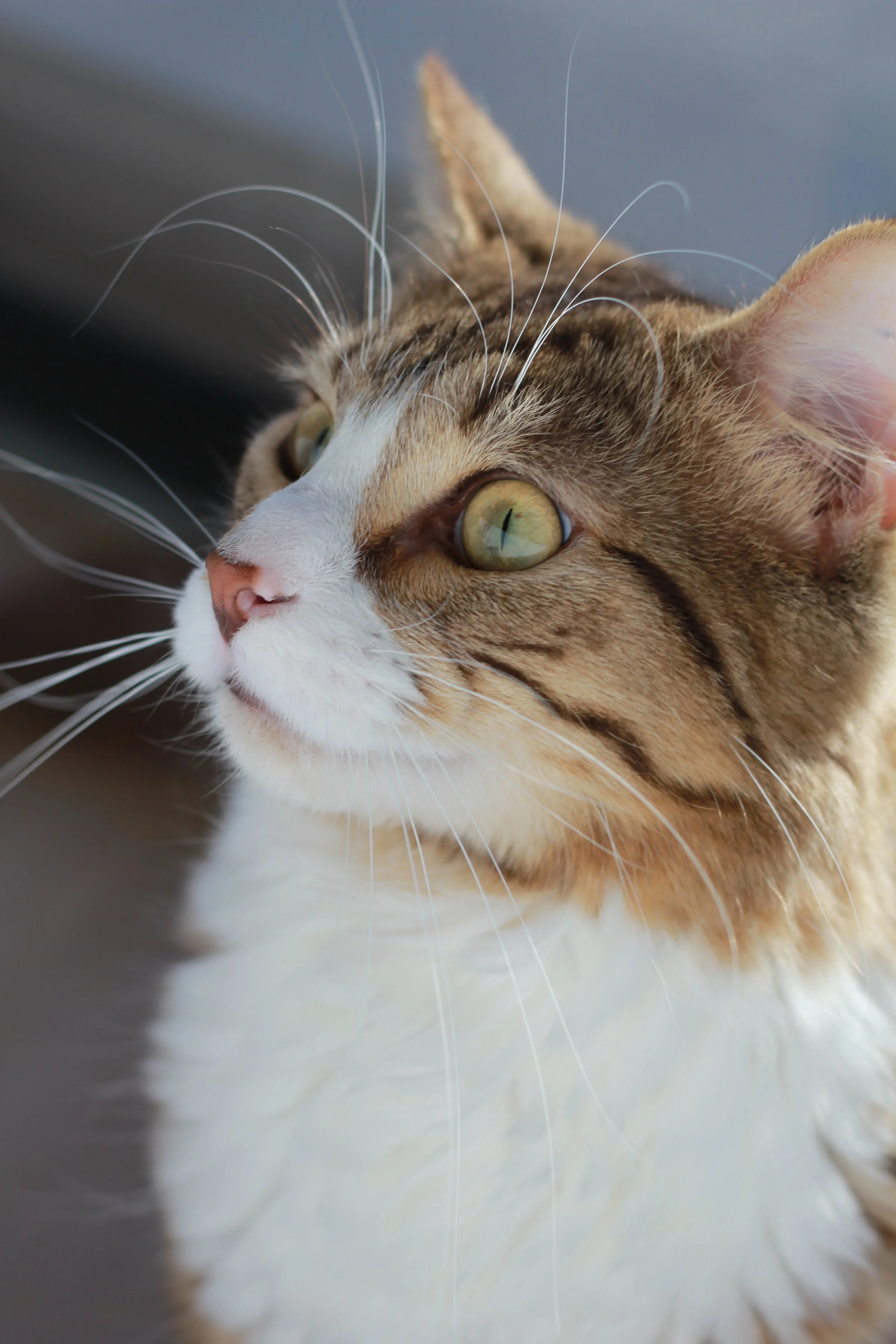
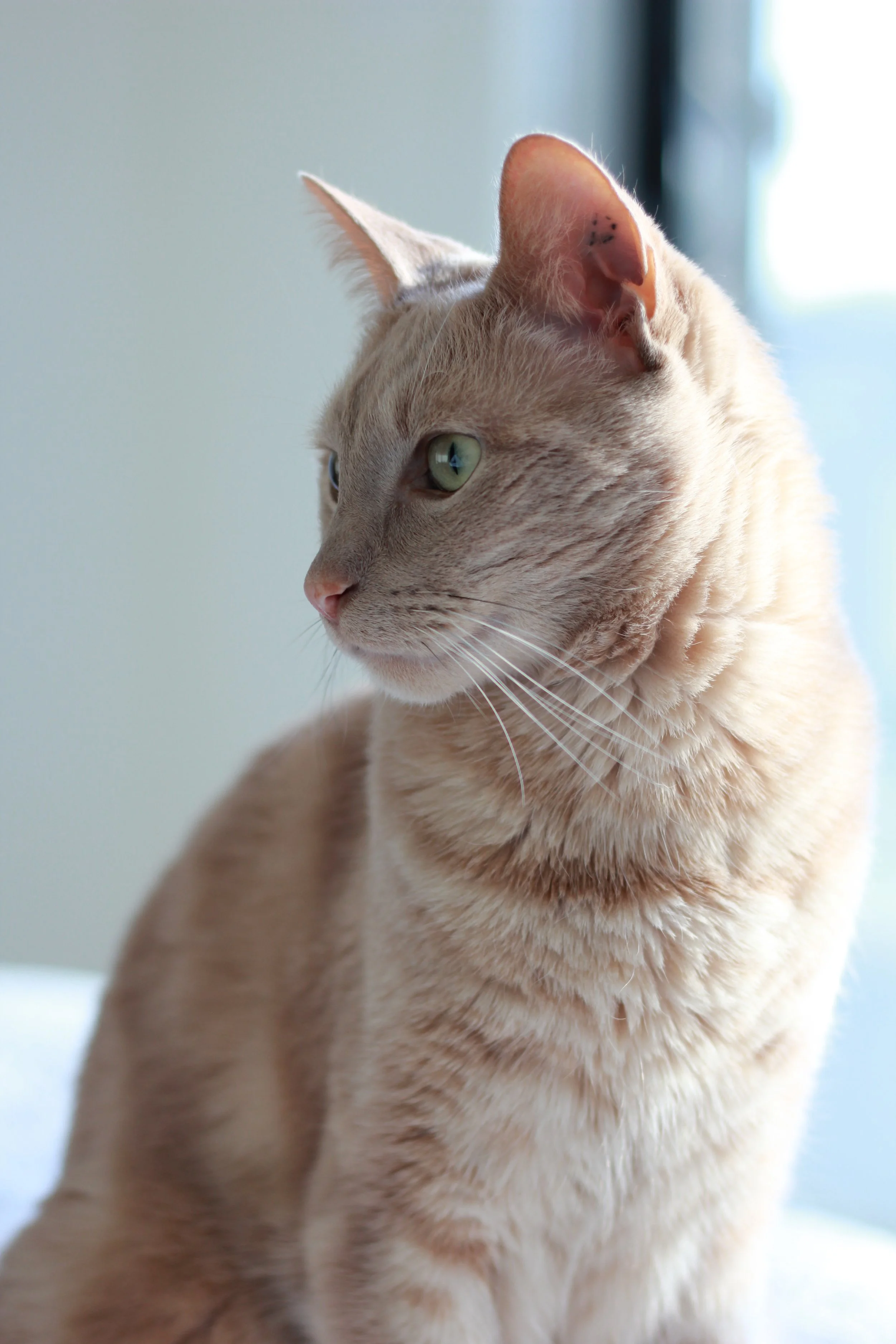
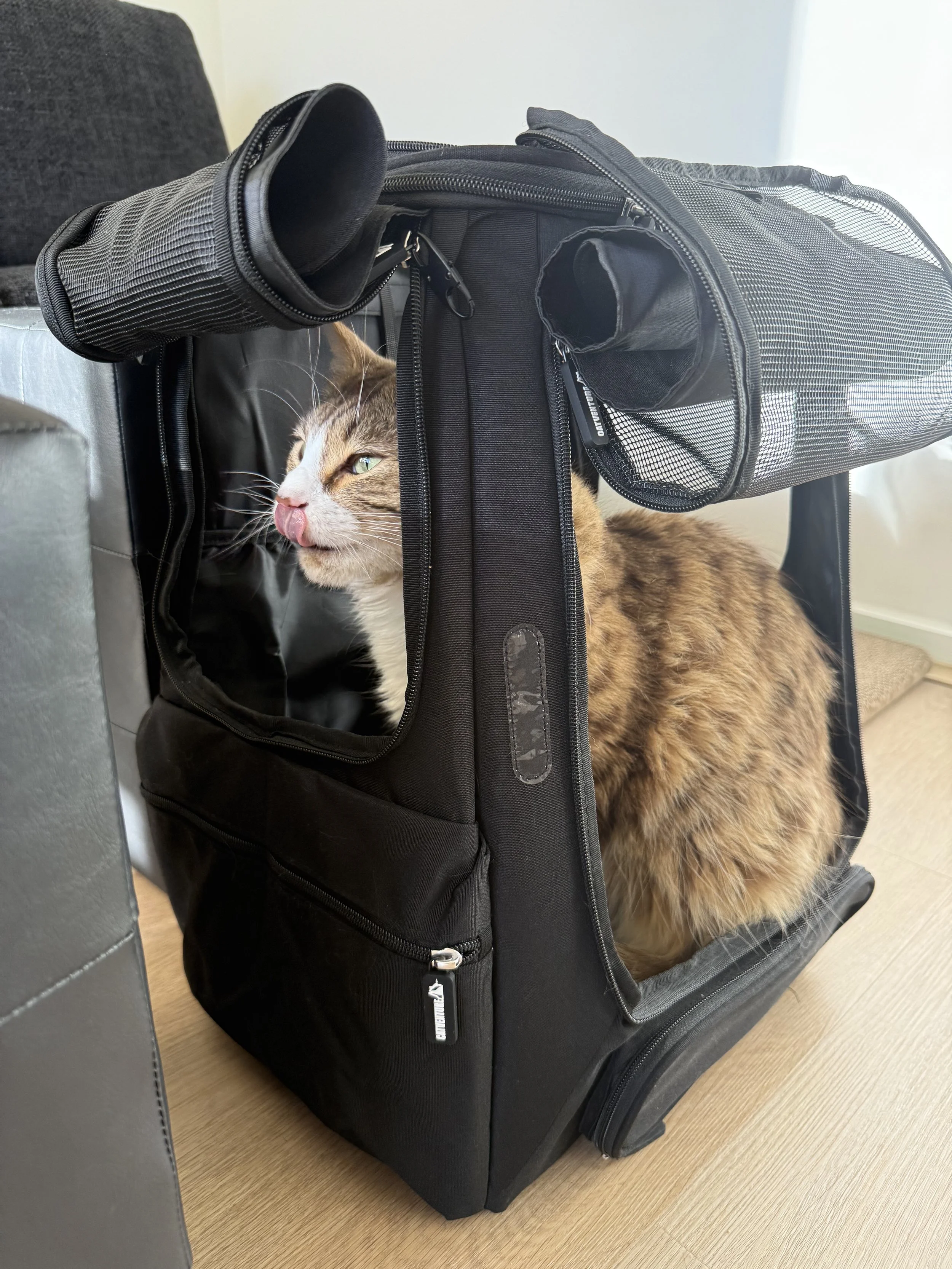
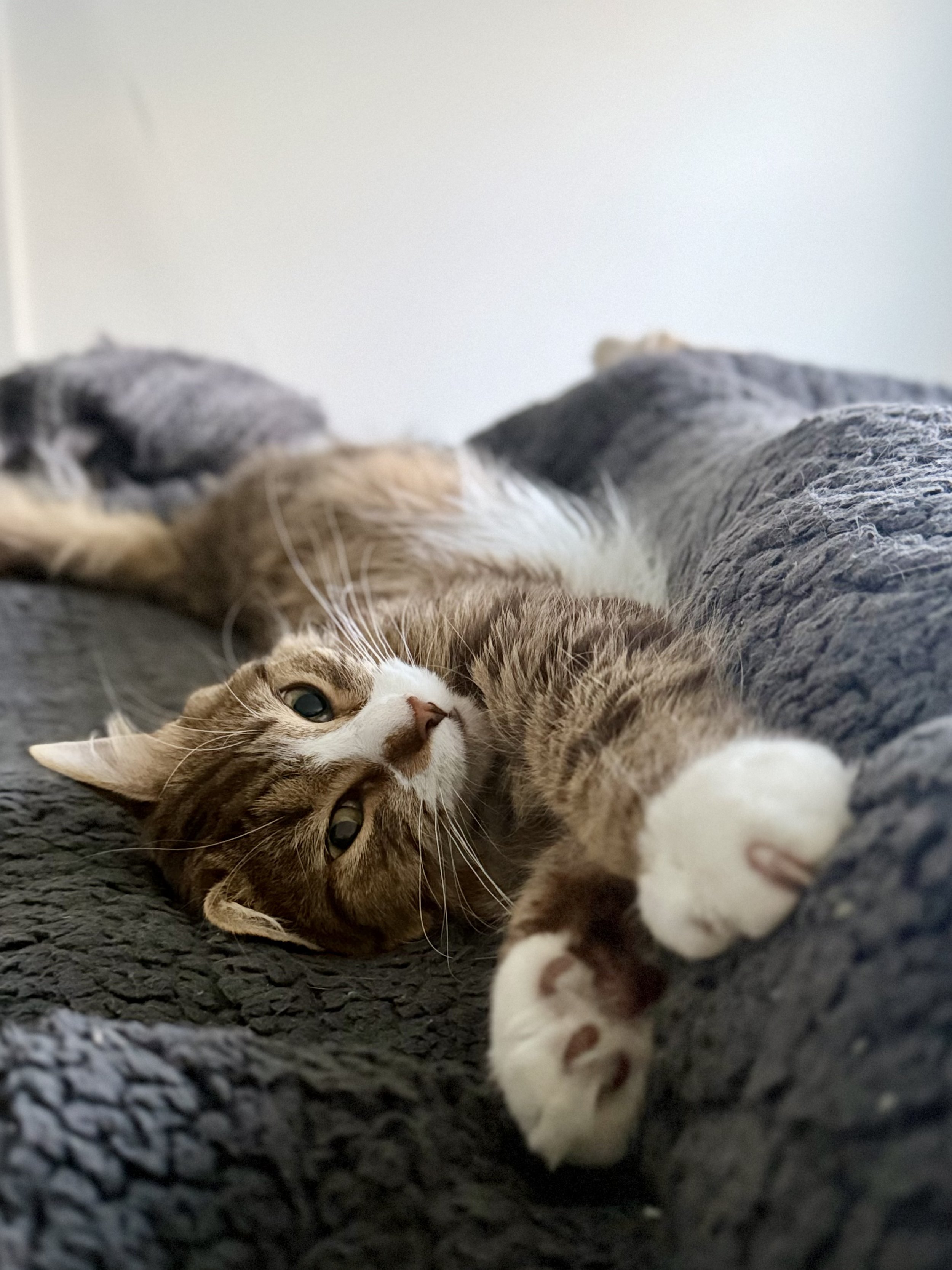
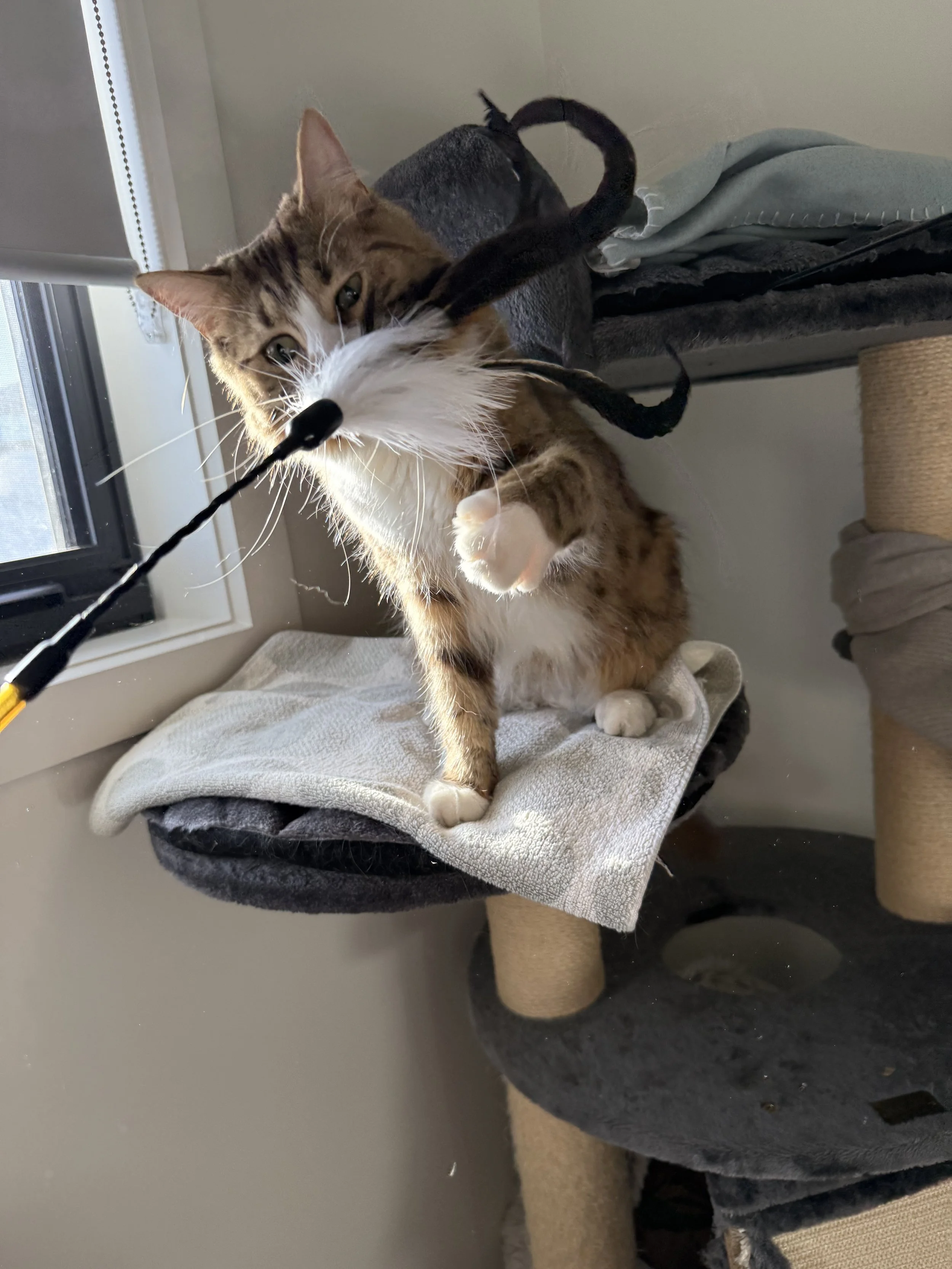
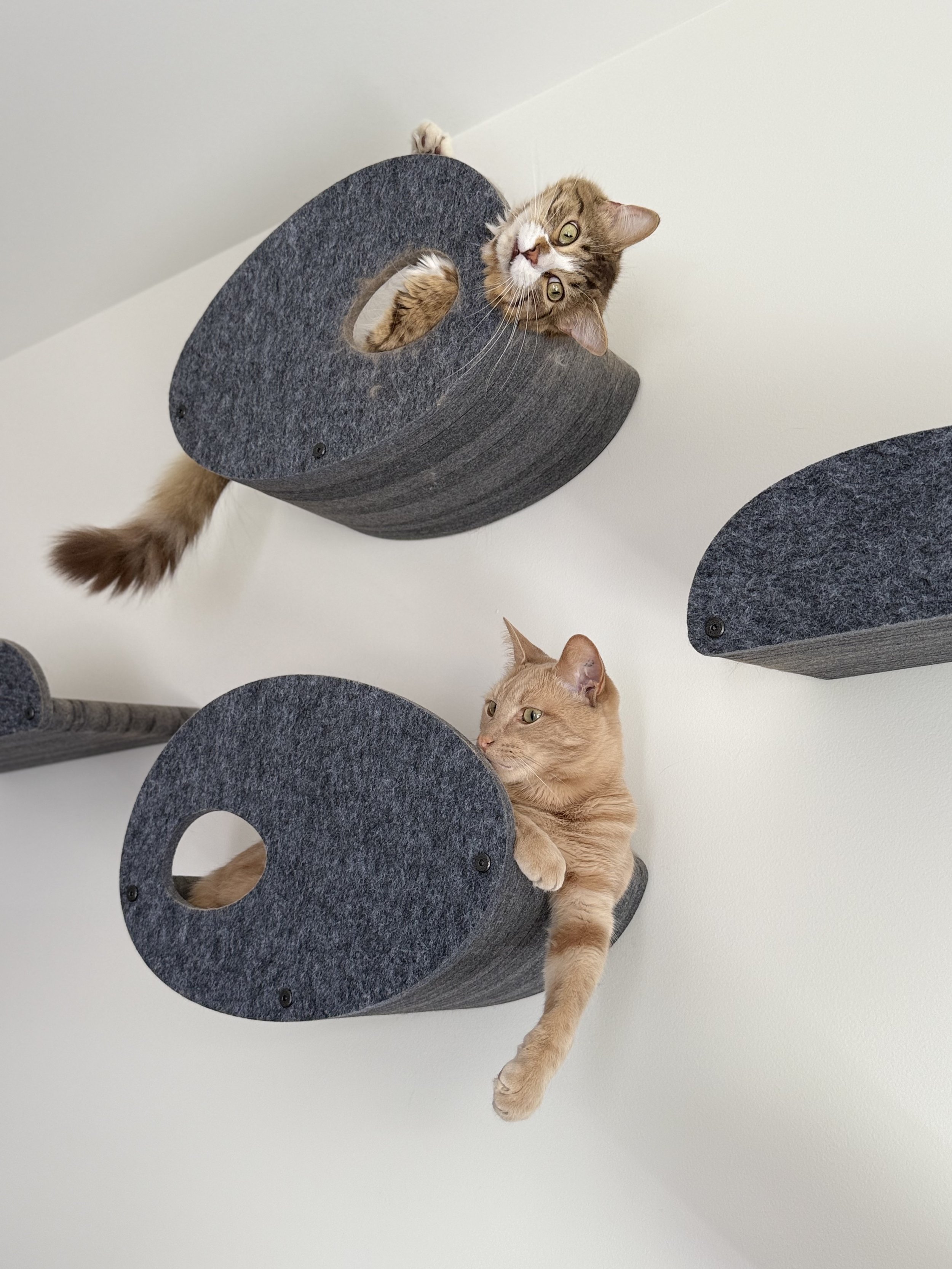
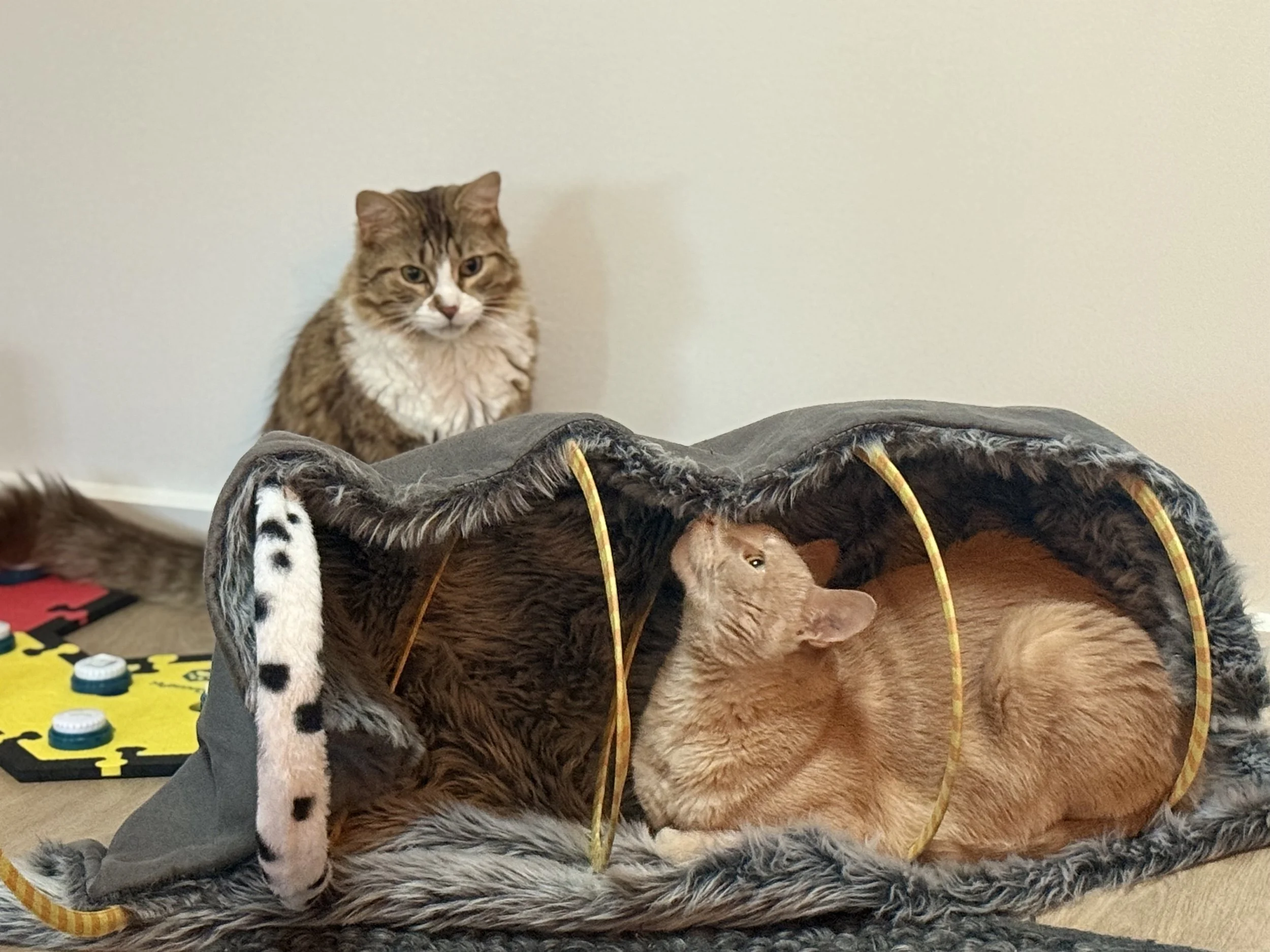
Kai and Apollo taught me that progress is rarely a straight line.
My own cats, Kai and Apollo, have taught me that progress is not always straightforward. Different personalities, different needs and the changing dynamics of a household all influence how cats live together. Their story is a reminder of why observation, enrichment, choice and patience matter. Sometimes progress comes through small changes that gradually make everyday life more comfortable. That is the kind of progress I want to help other guardians work towards. Let's work out the next step together Whether you're trying to understand a particular behaviour, hoping to prevent problems before they develop or simply wanting to know your cat better, you're welcome here.
If you want to see more of Apollo and Kai, their instagram journey can be found here: PawsandReflection
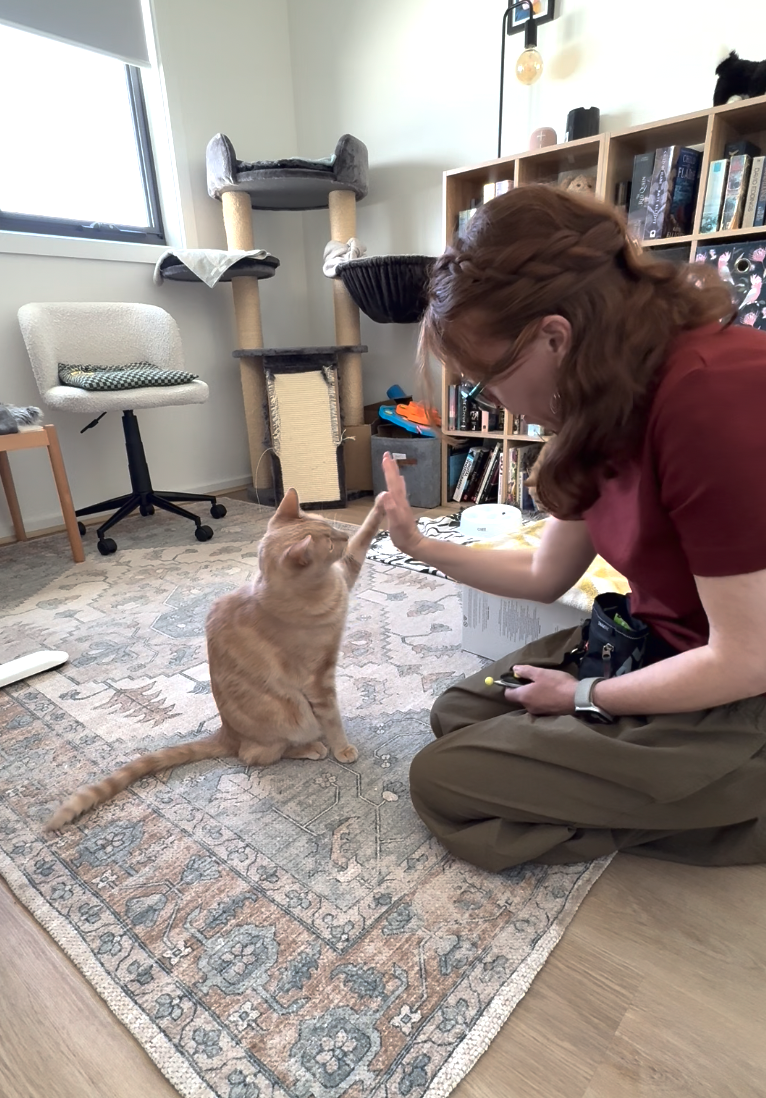
Keeping knowledge moving
Education & professional development
I’ll keep this page updated as new events land on my calendar.
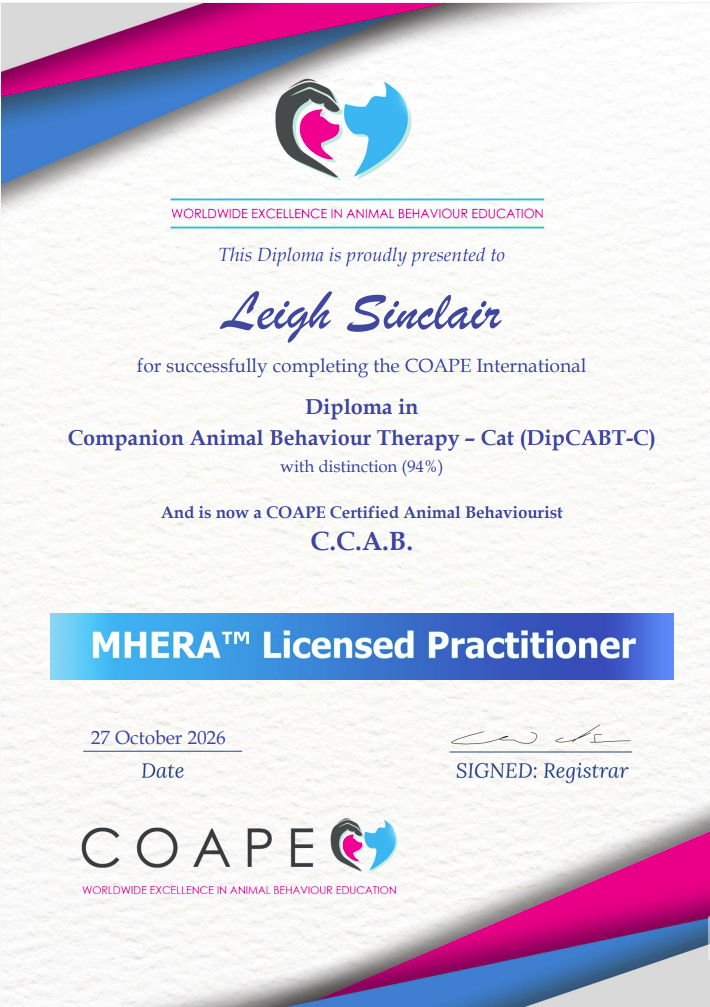
Good cat behaviour work never stands still, and neither do I. I keep my skills up to date with welfare-based methods, continuing to pursue education and knowledge to better assist my clients and their cats.
Pet Professional Guild Australia's annual gathering of trainers and behaviour consultants. I’m particularly keen on the talks about agency, giving animals real choice to ease anxiety and fear, and predation substitute training, which gives that hardwired hunting drive a healthy outlet (your sofa will thank me).
CAT BEHAVIOUR AT BARK FEST 2026
A panel with Sarah Brown, Caroline Clark, and veterinary behaviourists Dr Meghan Herron and Dr Carlo Siracusa. I wasn't able to catch it live, but I'm working through the recording now. A panel mixing behaviour consultants and board-certified vet behaviourists is exactly the kind of cross-disciplinary thinking I like, because so much of what looks like "behaviour" turns out to have a medical thread running through it.
CREATING HARMONY IN MULTI-CAT HOUSEHOLDS
A webinar from Meowtel with Tabitha Kucera, RVT and Veterinary Technician Specialist in Behavior. It covered how cats form relationships and share a home, the subtle signs of tension that are easy to miss, setting up the space to support peaceful coexistence, introductions (including fresh starts for cats who've fallen out), and when it's time to call in professional help. Multi-cat homes are some of the most common situations I'm asked about, and the quiet signs, like blocking, staring, and guarding resources, are so often missed until things escalate.
Online Cat Behaviour Conference
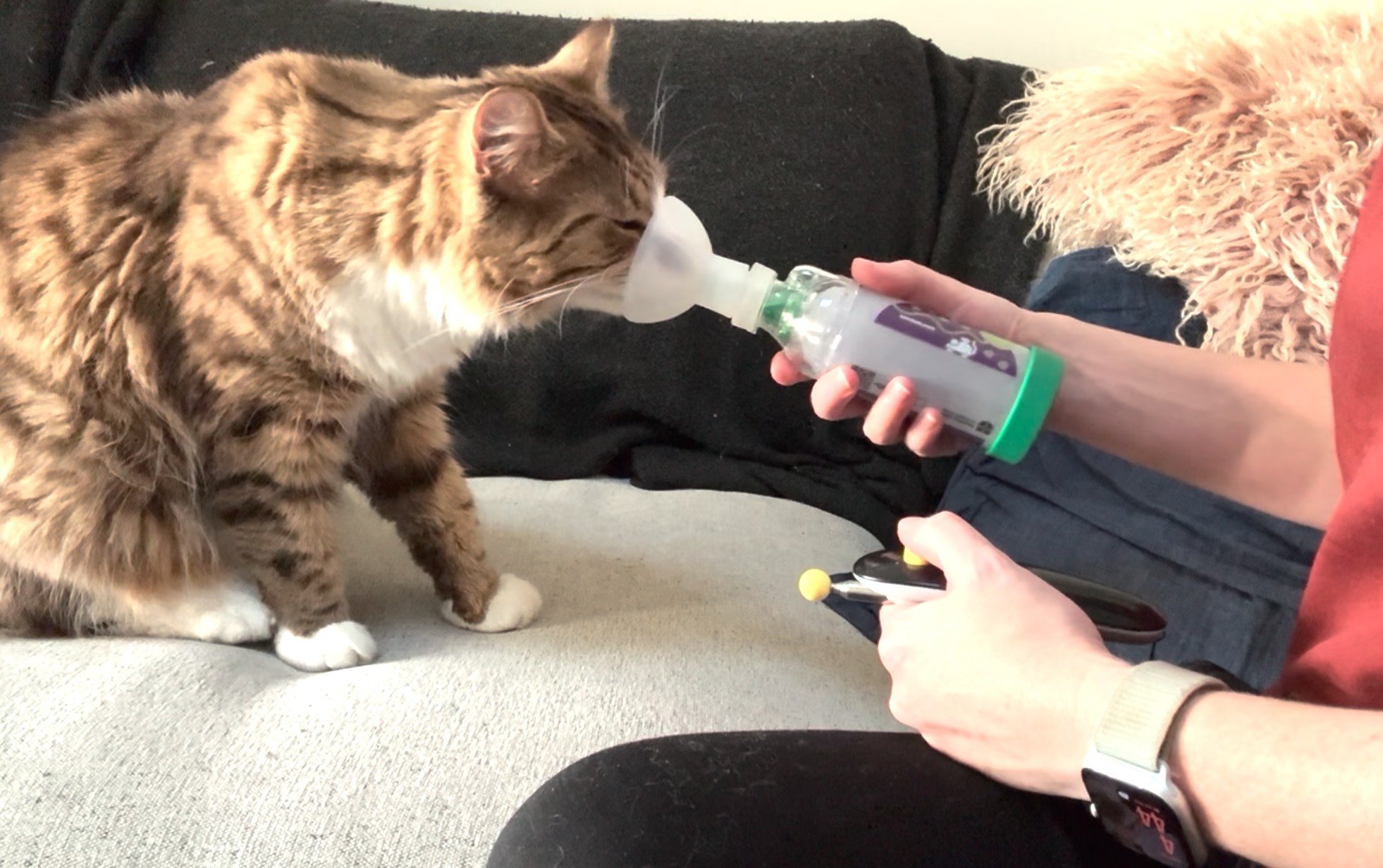
An international lineup of feline behaviourists and vets. The talks I’m most looking forward to cover chronic pain and how it can masquerade as “bad” behaviour, why cats stop using the litter tray, stress and cystitis, and making medicating your cat less stressful, basically all the things that end up on my consultation couch.
PEACE AT HOME: UNDERSTANDING AND MANAGING AGGRESSION IN MULTI-CAT HOUSEHOLDS
A Fear Free webinar with Rachel Geller, Ed.D., founder of All Cats All the Time. It covered the early and escalating signs of conflict in feline body language, how to adjust the home and resource access to reduce competition, using play and positive associations to redirect behaviour, and gradual desensitisation for introductions and reintroductions. I’m always keen to hear how other behaviourists approach restoring safety in a home where cats have fallen out, because the early warning signs are so easy to miss and the stakes for the household are high.