
A little more context for curious humans.
Notes on what cats are telling us, how their worlds work and the small changes that can make a surprisingly big difference.
Stay in the loop (and grab something free for it)
Why has your cat chosen 3am for a house-wide sprint? Why is the cardboard box more exciting than the toy that cost actual money? Cats can be baffling, but they're not being naughty or difficult, their behaviour is communication, we just aren't always taught how to read it.
New posts land here regularly, decoding exactly this kind of thing. Pop your email in to get them straight to your inbox, and as a thank you, we'll send over our free guide, Why Do Cats "Cat"?, so you've got something useful to start with right away.
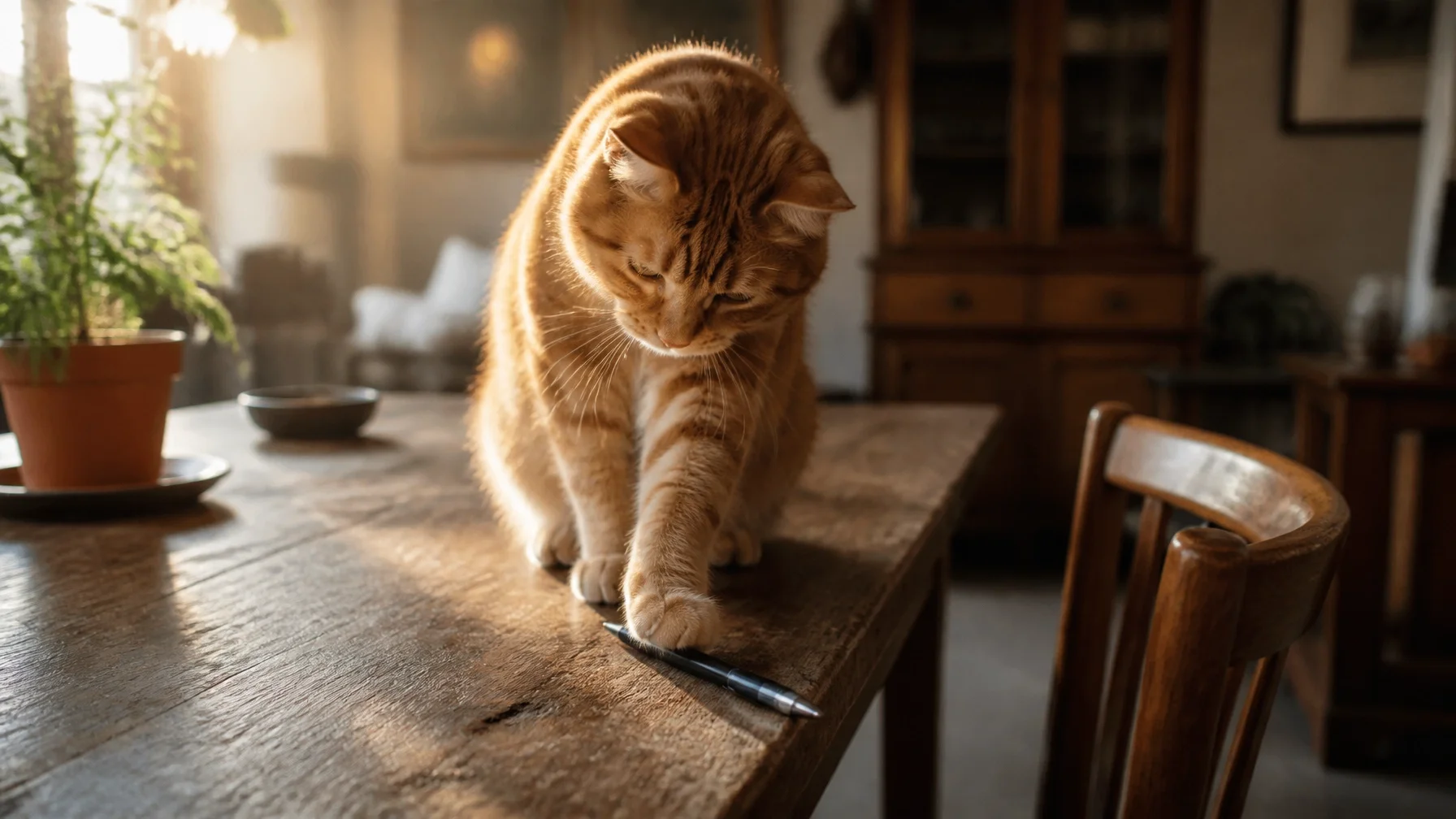
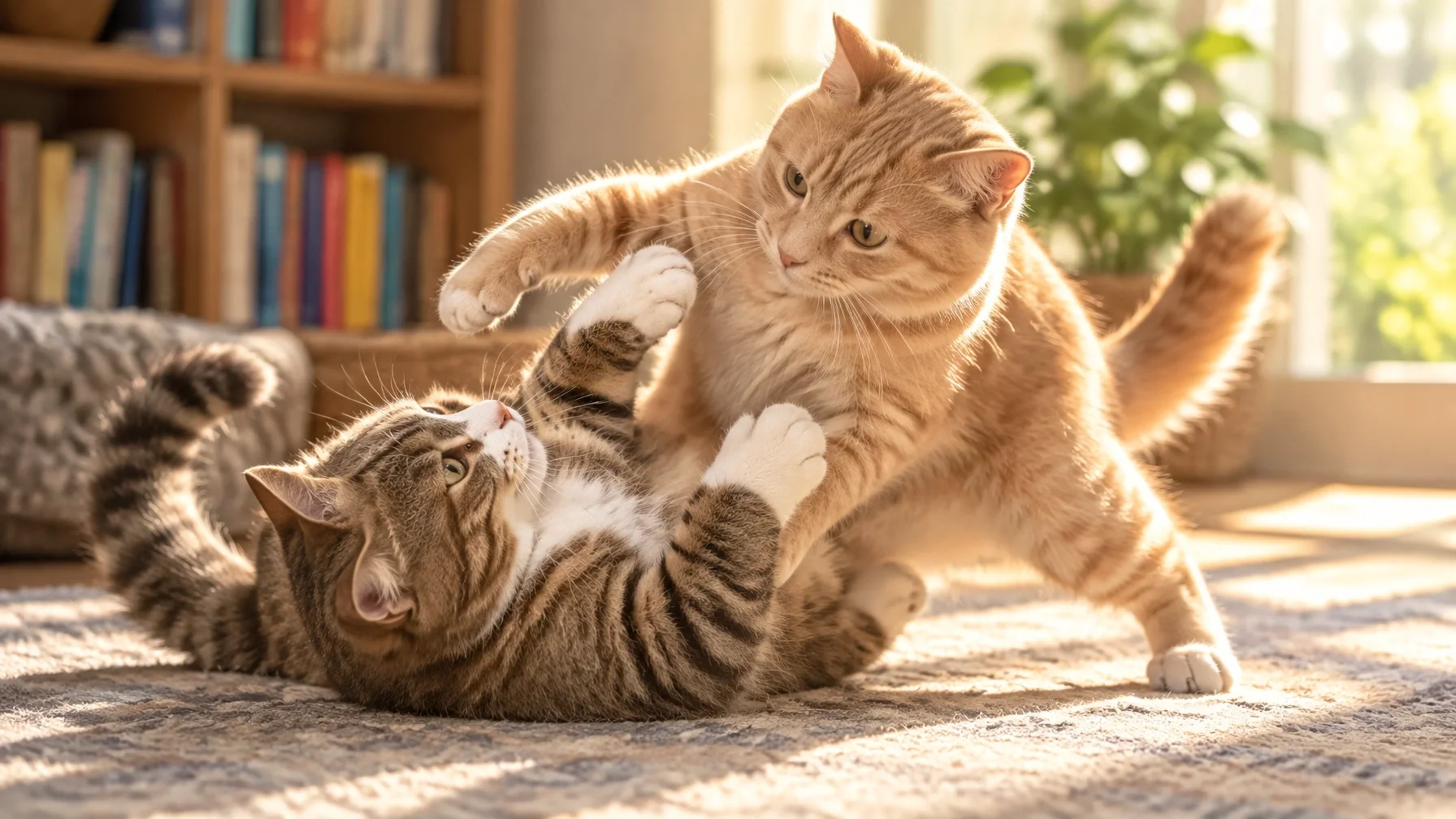
Is This Cat Play or Fighting? What Your Cats' Wrestling Matches Are Really Telling You
Two cats tumble, one yowls, and everyone acts normal. Learn how to tell whether your cats are playing or fighting, whether they genuinely like each other, and what resource security can reveal about intercat tension.
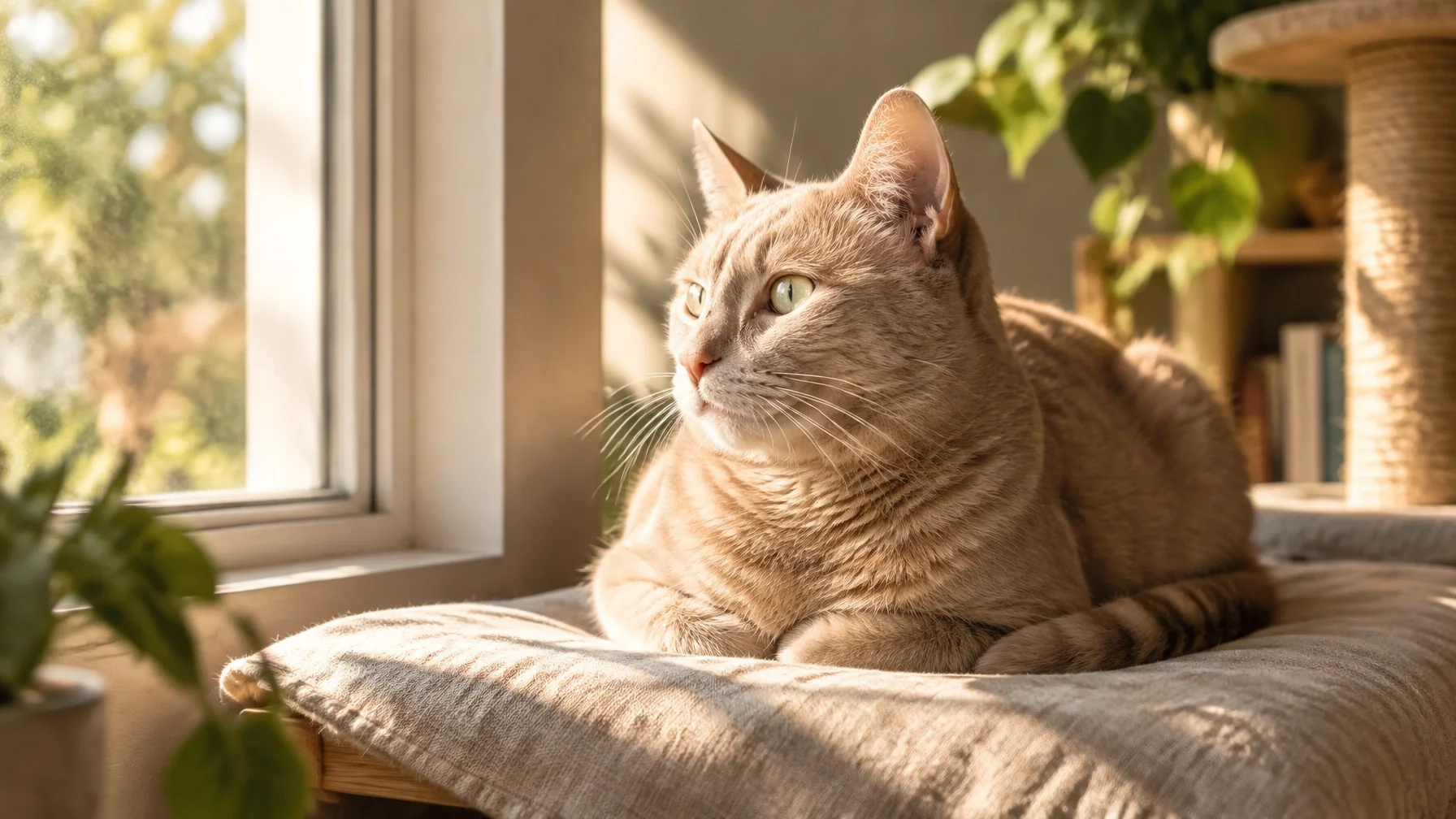
Is My Cat Bored? Signs of Cat Boredom and Under-Stimulation
Is your cat staring at walls, knocking things off shelves or waking you at 3 a.m.? Discover the signs of feline boredom and how predictable, choice-based enrichment can support better welfare.
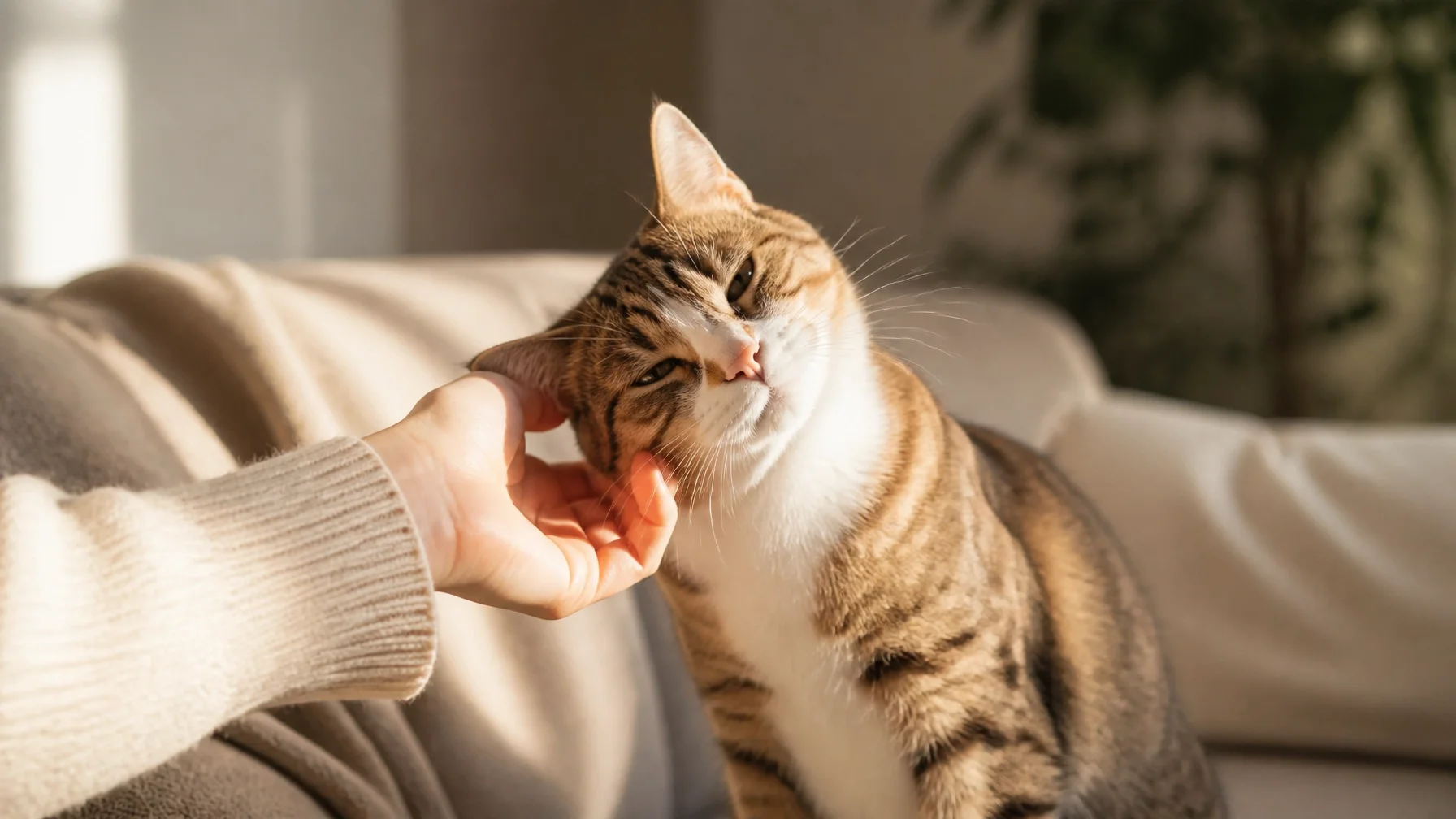
Why Does My Cat Bite Me When I Pat Them? What Your Cat's "Love Bite" Is Trying to Tell You
Your cat may not be giving you a love bite. Discover what petting-induced biting means, how overstimulation and pain can play a role, and how the CAT approach can make touch safer and more cooperative.
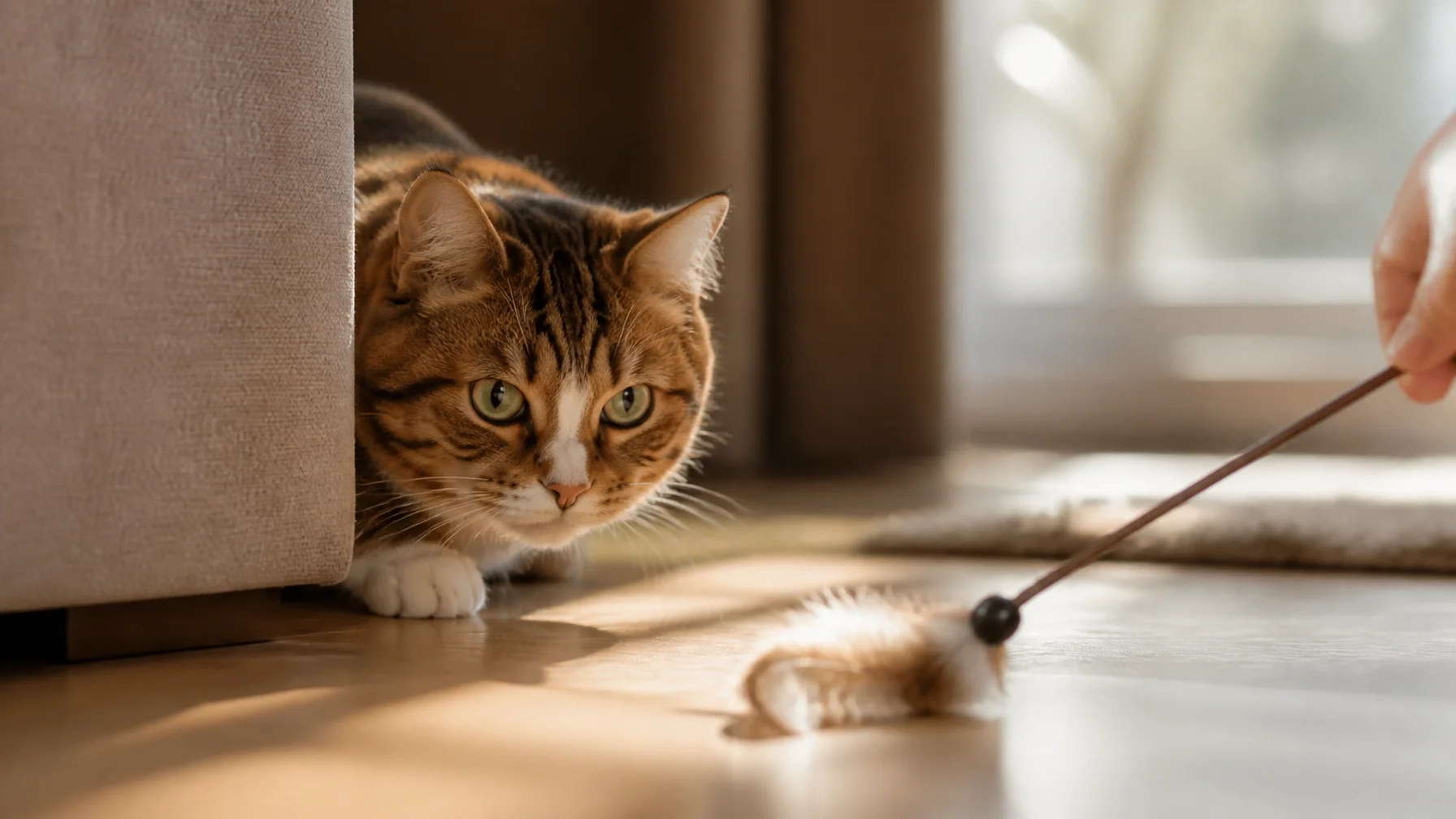
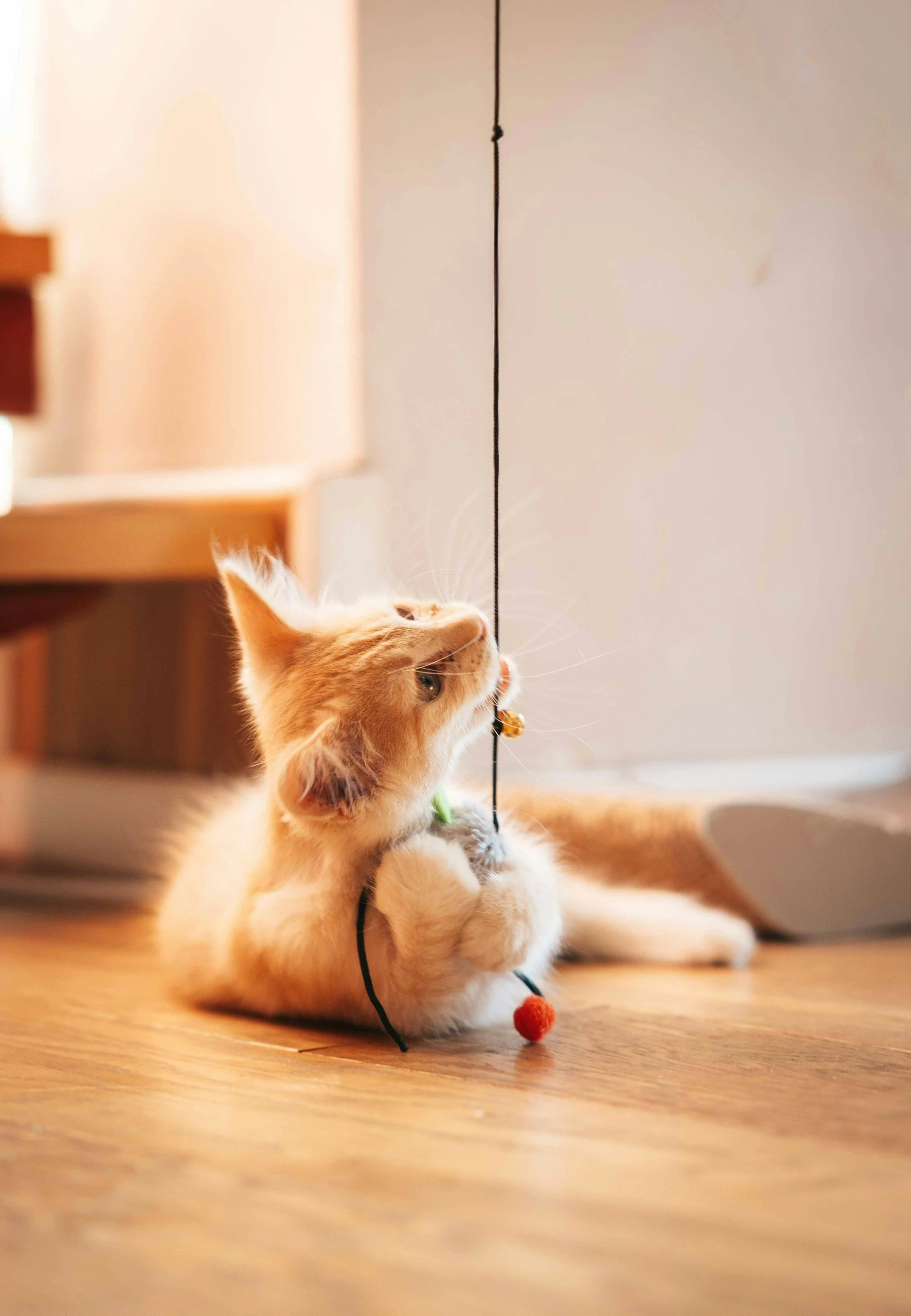
Why Doesn't My Cat Play Anymore? What a Lost Interest in Toys Is Trying to Tell You
You dangle your cat’s favourite wand toy. Nothing. You rustle the crinkle ball. Still nothing. The toy that once inspired Olympic-level zoomies now receives the kind of reaction usually reserved for an unwanted email.
A cat who used to play and now ignores toys is giving us useful information. It does not automatically mean you have failed, your cat is “lazy”, or your bond is slipping away. This is common, often fixable, and worth investigating with a calm, cat-centred approach.
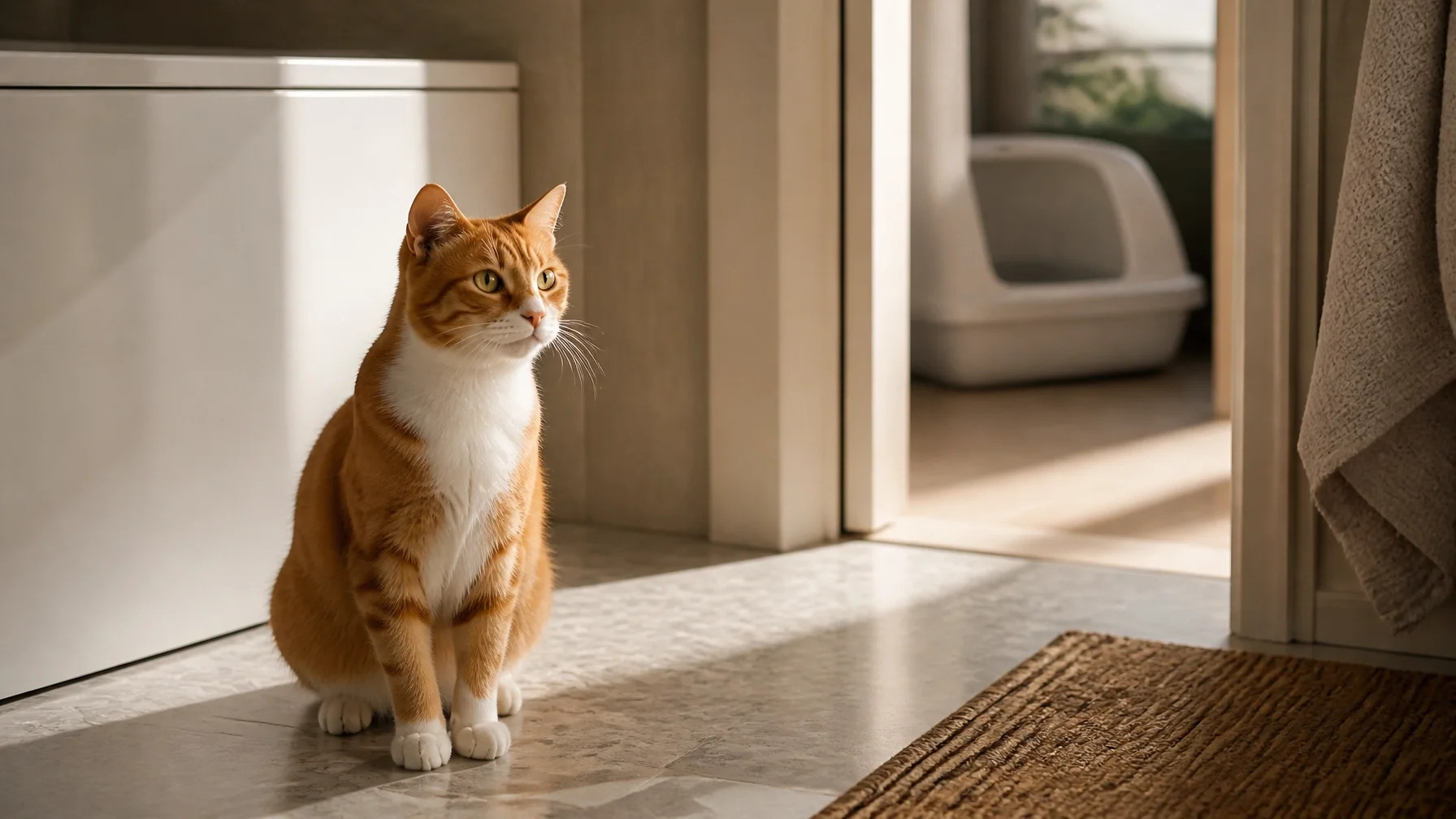
Cat Peeing Outside the Litter Box? Here's What That Puddle Is Trying to Tell You
You find the puddle beside the bath, on the rug, or, most offensively, according to your laundry basket, right on your favourite jumper.
Your first thought might be: Why is my cat doing this to me?
Here is the more helpful question:
> What is my cat trying to communicate through urinating outside the litter box?
You are already doing something important by noticing the change. This is common, it is not your fault, and it is often fixable with the right investigation. Cats are not being spiteful, lazy, or “bad.” They are responding to a physical, emotional, or environmental problem in the only ways available to them.
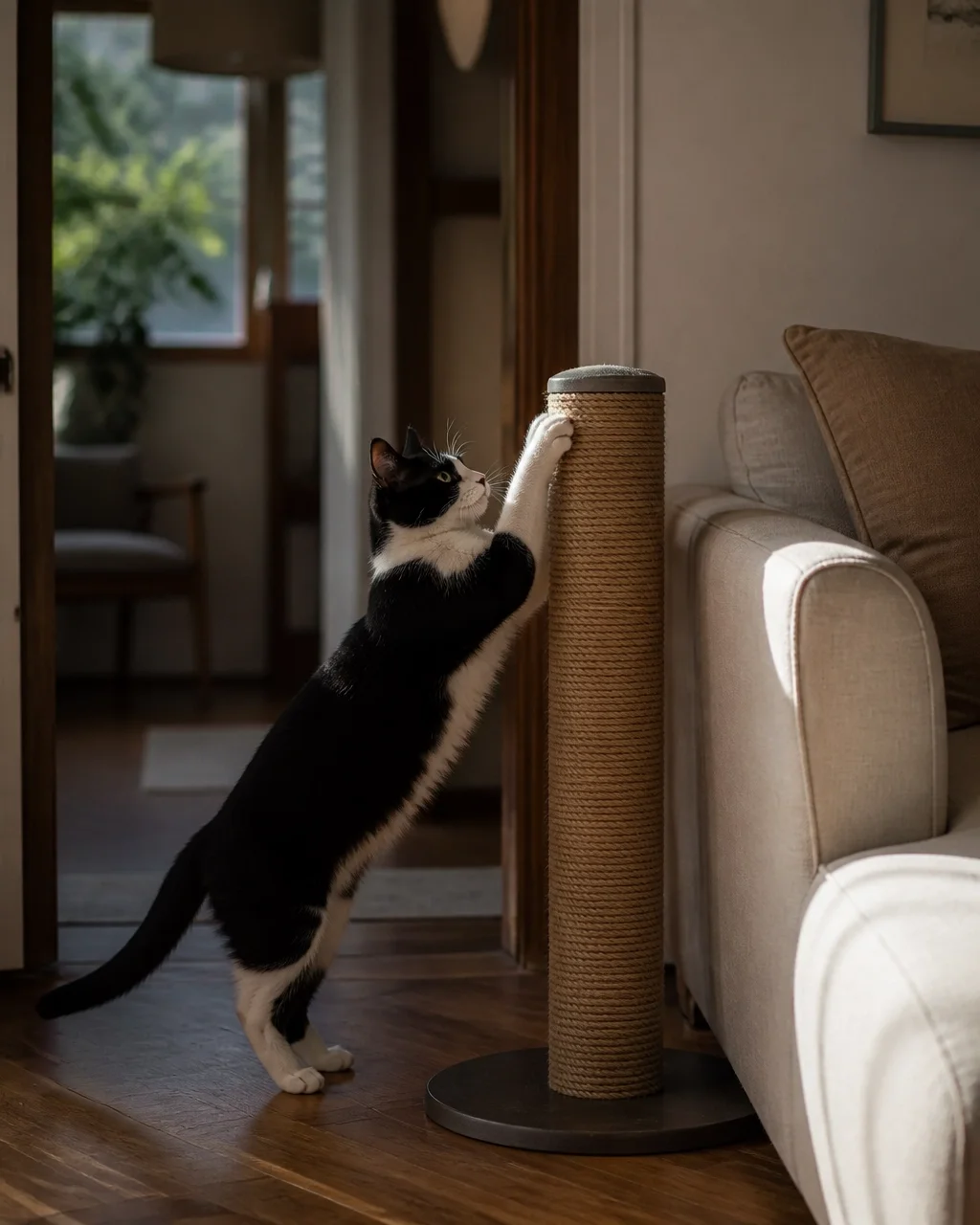
Stop Cat Scratching Furniture: What Your Sofa Is Trying to Tell You
You walk through the door, glance at the sofa and stop mid-step.
The arm is shredded. Again.
There are loose threads on the floor, claw marks in the upholstery and one extremely innocent-looking cat nearby, blinking as if they have never even heard of a sofa.
First, take a breath. You are already doing something important: you have noticed a change that affects both your cat’s welfare and your household. Scratching is normal feline behaviour. It is not spite, revenge or a sign that your cat is “bad”. It is not your fault, and it is not your cat’s fault. With the right environmental changes, it is often very fixable.
The aim is not to stop your cat scratching altogether. The aim is to help them scratch in places that meet their biological needs while protecting your furniture.The expert-detective investigation: why do cats scratch?
To stop cat scratching furniture, we need to understand the message behind the behaviour. Scratching is a little like a feline noticeboard, gym session, manicure and emotional reset button rolled into one.
Should You See a Vet, a Cat Behaviourist, or Both? How to Decode Your Cat’s Behaviour Signals
If you have ever found yourself staring at a growing bald patch on your cat’s belly, a shredded sofa arm, or a cat who suddenly turns into a phantom midnight sprinter howling at the hallway wall, you are likely familiar with the late-night Google spiral.
What Does "Welfare" Actually Mean for a Cat?
For decades, animal welfare was measured through a primitive lens: Is the animal fed? Is it free from physical disease and injury? If the water bowl is full and the fur is sleek, case closed, right?
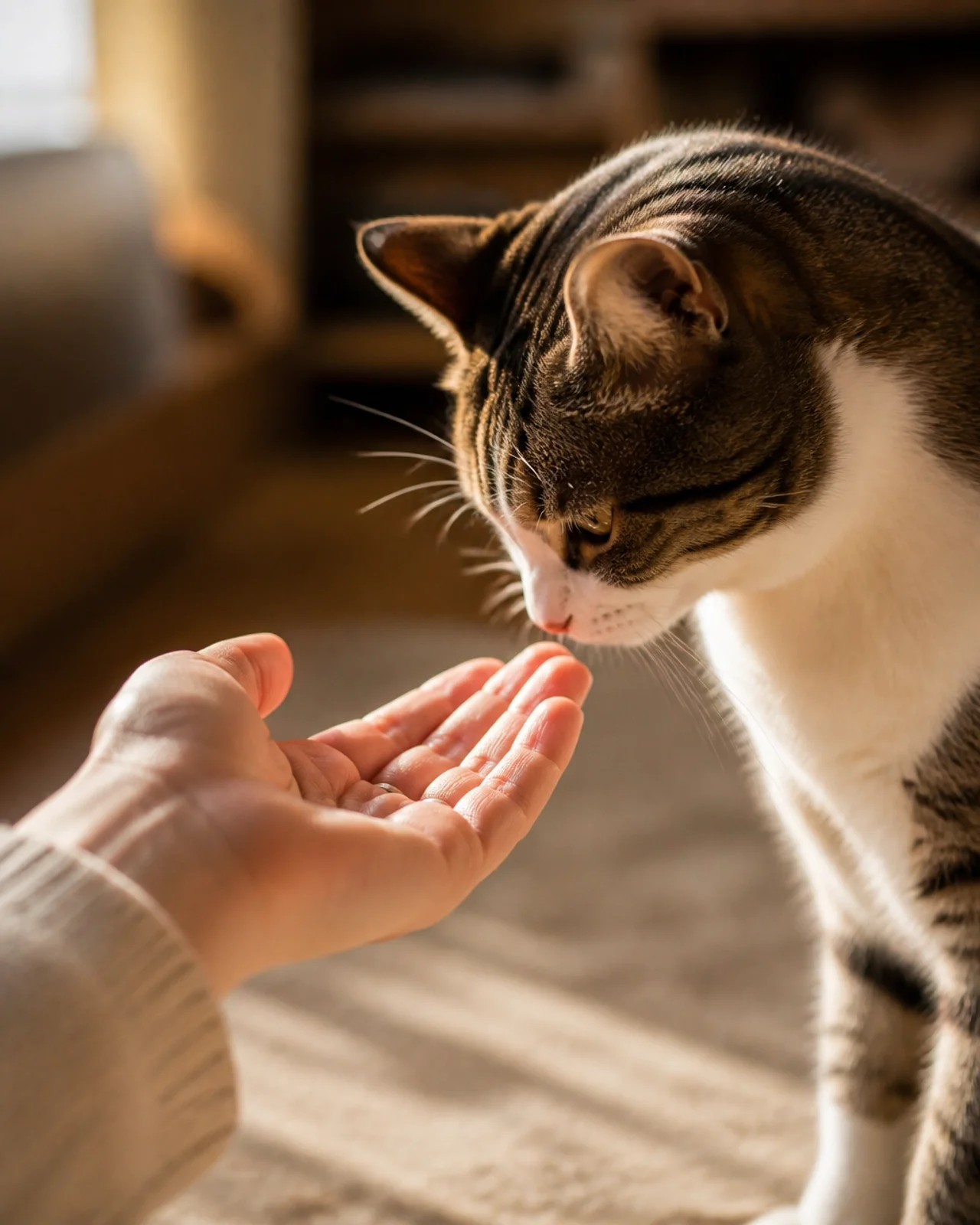
The Power of Choice: Why Giving Your Cat Control Reduces Stress and Builds Trust
In the world of animal welfare, “Agency” is a bit of a buzzword, but for a cat behaviourist, it is the absolute golden key to resolving cat anxiety and cat stress. To put it simply: agency is the power of choice. It is the ability for a cat to have a say in what happens to them, where they go, and how they spend their day.
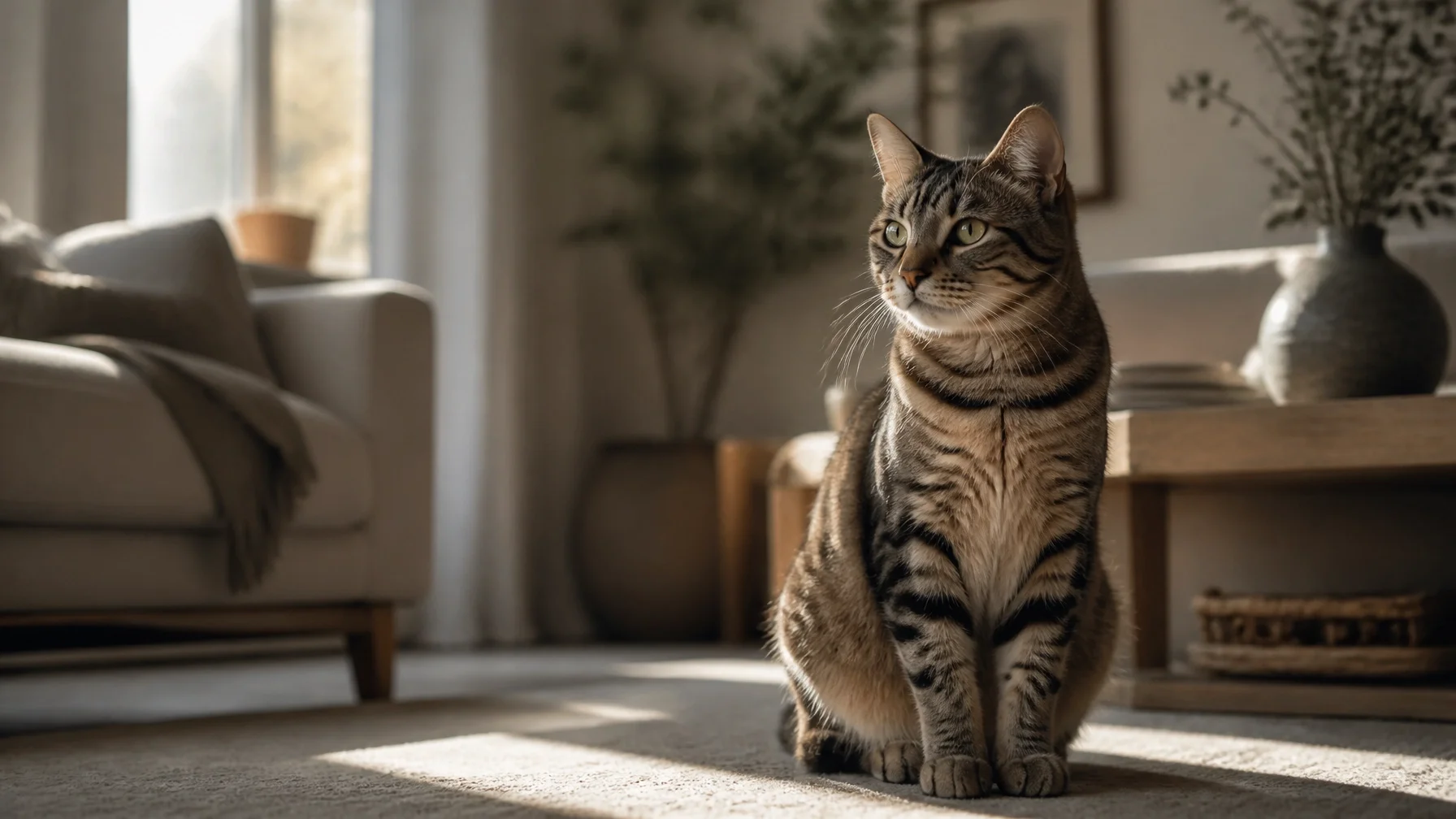
Cat Peeing Outside the Litter Box? Here Are 5 Things You Should Know First
When a cat begins urinating outside of the litter box, it is often a sign of underlying physical or emotional distress. At The PAWS Approach, we understand that these situations are challenging for both the cat and the owner. This behavior is rarely a choice made by the cat to be difficult; rather, it is a form of communication.
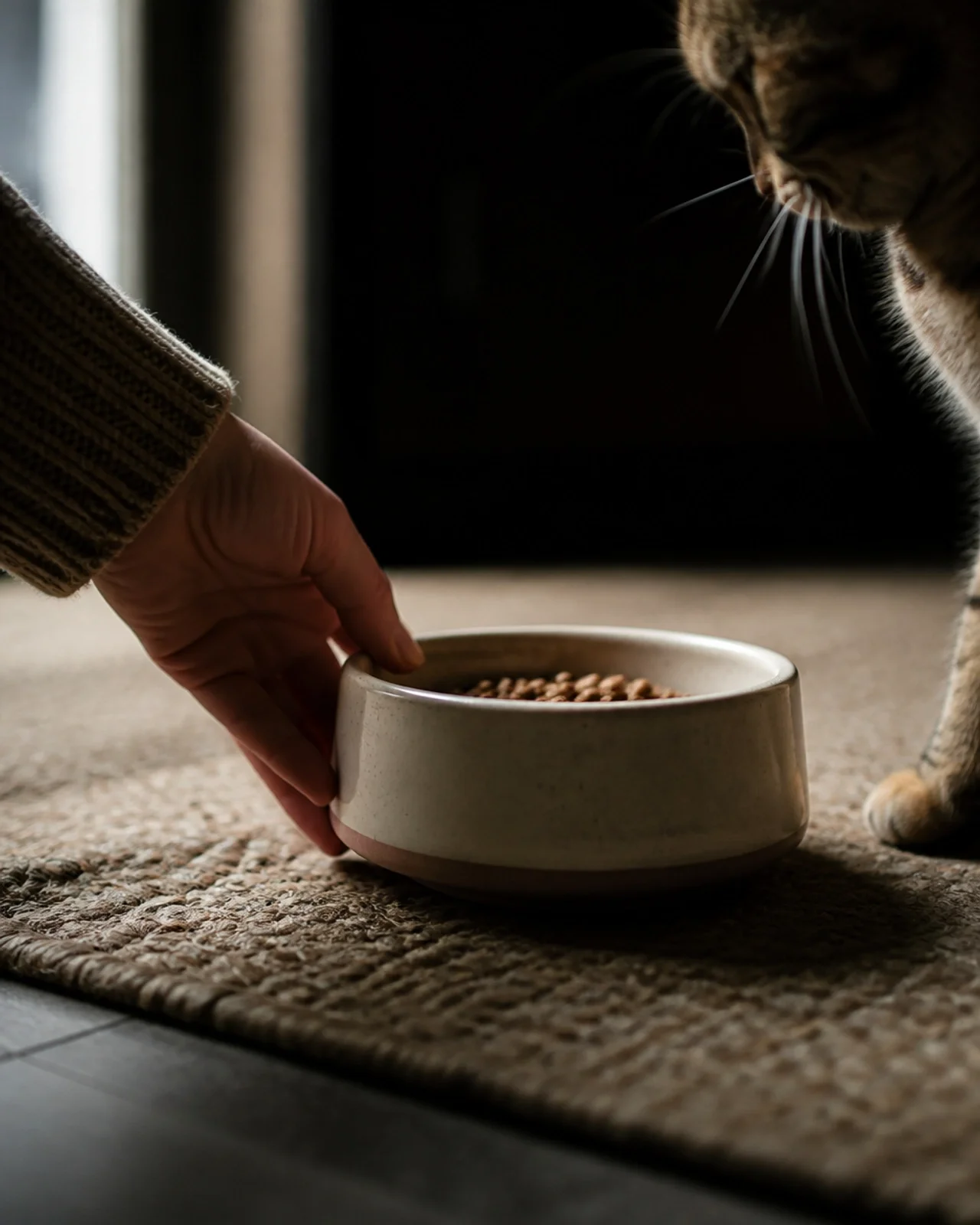
Why Your Cat Needs a Predictable Routine (And How to Build One)
At The PAWS Approach, we believe that the most effective way to support our feline companions is by looking at the world through their eyes. Every cat has a unique personality, but they all share a fundamental biological need for safety and security.